LOS ANGELES, California: A coalition of California restaurants and grocery stores has filed a lawsuit to block a new farm animal welfare law.
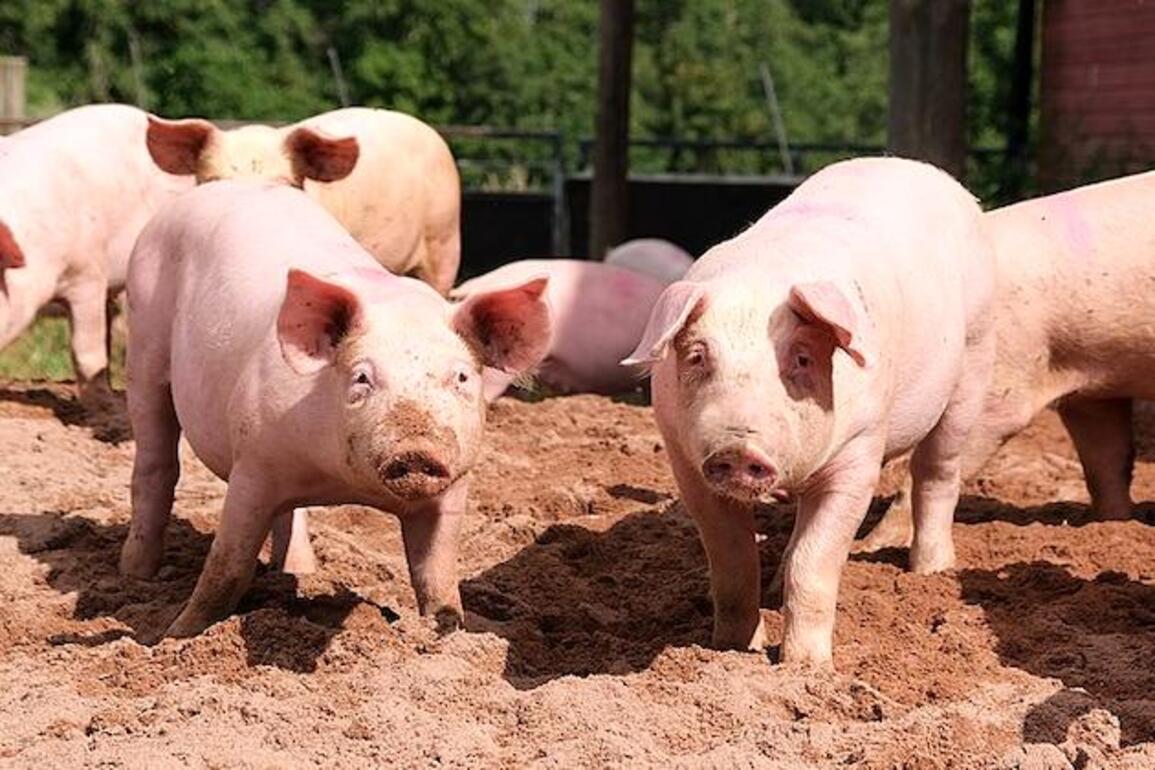
Under the new law, pigs, egg-laying chickens and veal calves must have enough space to stand and turn around in holding pens.
While egg and veal producers seem to be able to meet the new standards, hog farmers argued the changes would be too expensive and could not be carried out until the state approves final regulations.
The law, which was overwhelmingly approved by voters in November, 2018, and will come into force on New Year's Day 2022, adds to uncertainty about the cost and availability of bacon and other fresh pork products.
Most hog producers have not made changes to comply with the law, and a coalition of business owners is seeking more than a two-year delay.
Meanwhile, the state government has eased the transition to the new system, by allowing pork processed under the old rules and held in cold storage to be sold in 2022.
However, Josh Balk from the Humane Society of the U.S., stressed that California residents should not fear "pork industry claims of the apocalypse," according to ABC News.
North Carolina State University calculated that the new standard would cost some 15 percent more per animal for a farm with 1,000 breeding pigs.
Also, the National Pork Producers Council challenged California's right to impose standards on businesses in other states, but these efforts have failed.
California is the largest U.S. market for pork, and producers in major hog states, such as Iowa, provide more than 80 percent of the pork consumed monthly in the state, totaling some 255 million pounds, said global food and agriculture financial services company Rabobank.
However, California's agriculture and health departments have said they have not had enough time to approve the final regulations of the new law, and are still accepting public comments for revisions in December. Therefore, it could be months before final rules are approved.
If the law takes effect 1st January, California could avoid immediate shortages or steep price increases, as some 466 million pounds of pork have been kept in storage.
Massachusetts has approved a similar animal welfare law, which will take effect next month, but state lawmakers are considering a one-year delay due to supply concerns.
The accuracy of the California estimates could depend on how many farmers adopt the new standards and how long the transition takes.