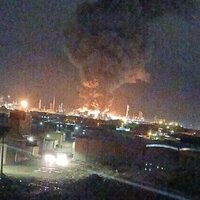



The intensifying conflict in the Persian Gulf has triggered one of the most rapid and severe disruptions to global commodity flows in recent times, the Chief Economist with the UN Food and Agriculture Organization (FAO) said on Thursday.
UN Secretary-General Antnio Guterreshas warned thatthe escalating Gulf war is out of control, urging all sides to step back from the brink and allow diplomacy to prevail, as he announced the appointment of a senior envoy to spearhead peace efforts.
Thecrisisis affectingagricultural production and food security worldwide, with impacts on farmers but also migrant workers,MximoTorerotold journalists at UN Headquarters in New York.
Temporality matters a lot right now and the clock is ticking very hard, and I think we need to find a solution as soon as possible,he said via videoconference from Rome.
Double shock for farmers
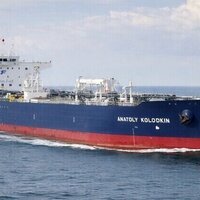
Since thewarerupted, tanker traffic in the Strait of Hormuz has declined by more than 90 per cent.
Normally, 35 per cent of global crude oil flows 20 million barrels along with 30 per cent of fertilizer trade, and a fifth of liquefied natural gas passes through thecriticalmaritime corridor each day.
As a result, farmers are facing a double shock brought on by risingprices forfertilizer and fuel, both keyforagricultural production.
Concern for consumers
If a solution is found soon, markets couldstabilisewithinroughly threemonths, but the picture changes if disruptions continue.
The medium-term scenario of a three-month blockade will affect all farmers globally, and then we will have different elements that could impact mostly in the next season, he said, pointing to reducedcropyields and substitutions.
The situation couldalsosparkcompetition from the biofuel sector, particularly if oil pricesrise above $100 a barrel. Although farmers wouldbenefit, it will be bad for consumers because prices will increase.
Vulnerable nations
In the short term, priority must be on countries such as Sri Lanka and Bangladesh, where rice harvests are happening now.
African nations that depend on fertilizer imports are also vulnerable,he said, althoughbig exporters like Argentina, Brazil and the United States will also be affected.
RegardingtheGulf,Mr. Toreronoted that food prices are already skyrocketing in Iran.Although the country producesroughly 70per cent of its own supply, the rest is imported.
Meanwhile,huge importers of food such as Qatar and the United Arab Emirates will face challenges because no vessels are going to the region.
Gulf countries also host millions of migrantworkers from South Asia and EastAfrica. Remittances sent to their homelands could decline if the conflict continues.
Solutions needed now
To mitigate the crisis, Mr. Torero stressed the need to find alternative maritime routes in the short term.
We need to provide emergency balance of payment support to import-dependent nations before planting windows, he added.
In the medium term, countries must diversify fertilizer import sources, strengthen regional reservesharingand avoid export restrictions, while increasing resilience will be critical in the long term.
We need to treat food systems with the same strategic importance as energy and transport sectors,investing accordingly to minimize those shocks, he concluded.